 security cameras


IP or CCTV surveillance cameras are important to all segments of society for providing a safe and efficient environment, whether at the individual or institutional level. Therefore, surveillance cameras have always played and continue to play a major role in enhancing security and improving the quality and efficiency of work in institutions, as well as securing homes and vehicles at the individual level, in line with the country’s comprehensive development plans and Saudi Vision 2030.
Types of Surveillance Cameras:
There are different types of surveillance cameras, which can be categorized as follows:
-
Wired Cameras: There are two main types:
-
Network (IP) Cameras: These are connected via an Ethernet cable and use a network video recorder (NVR).
-
Analog Cameras: These cameras are connected using an RG6 Coaxial Cable (satellite cable), and the quality of the cable depends on the percentage of copper used in it. The recording device used is an analog video recorder (DVR).
-
Wireless Cameras:These cameras operate without the need for cable installation, making them easier and faster to install and relocate from one place to another. Some customers believe that they are better than wired cameras because of their ease of installation. However, one of their main disadvantages is weak or interrupted signal strength when there are obstacles, walls, or long distances, which may affect the quality and stability of the camera connection.
Important Considerations When Purchasing a Surveillance Camera System:
-
Determine the Areas and Distances: Identify the areas that need to be covered and the required distances in order to select the appropriate camera type and lens.
-
Recording Device Compatibility: Ensure that the recording device is compatible with the cameras and fully supports all of their functions and features.
-
Select the Appropriate Lens: Determine the appropriate lens size based on the required viewing angle and distance.
-
Night Vision: Ensure that the cameras provide suitable night vision according to the nature of the site and the surrounding lighting conditions.
-
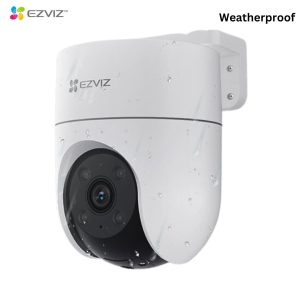
Outdoor Cameras: Choose cameras that are resistant to environmental conditions such as sunlight, humidity, and dust. These specifications are generally less critical for indoor cameras.
-
Site Survey: Conduct a site survey to determine the required coverage and accurately select the most suitable cameras and specifications.